Fire Phone model reference
A model reference identifies the recorded model. The complete marking on a device can include an additional hardware prefix or regional suffix. Serial numbers and mobile-network identifiers such as IMEI or MEID belong to an individual device.
Where to find your model reference
- Open the phone’s Settings and look for device information or the model details.
- Compare SD4930UR with the original box or purchase record and note the storage capacity and sales region.
- Keep the IMEI and serial number private; they identify the individual handset.
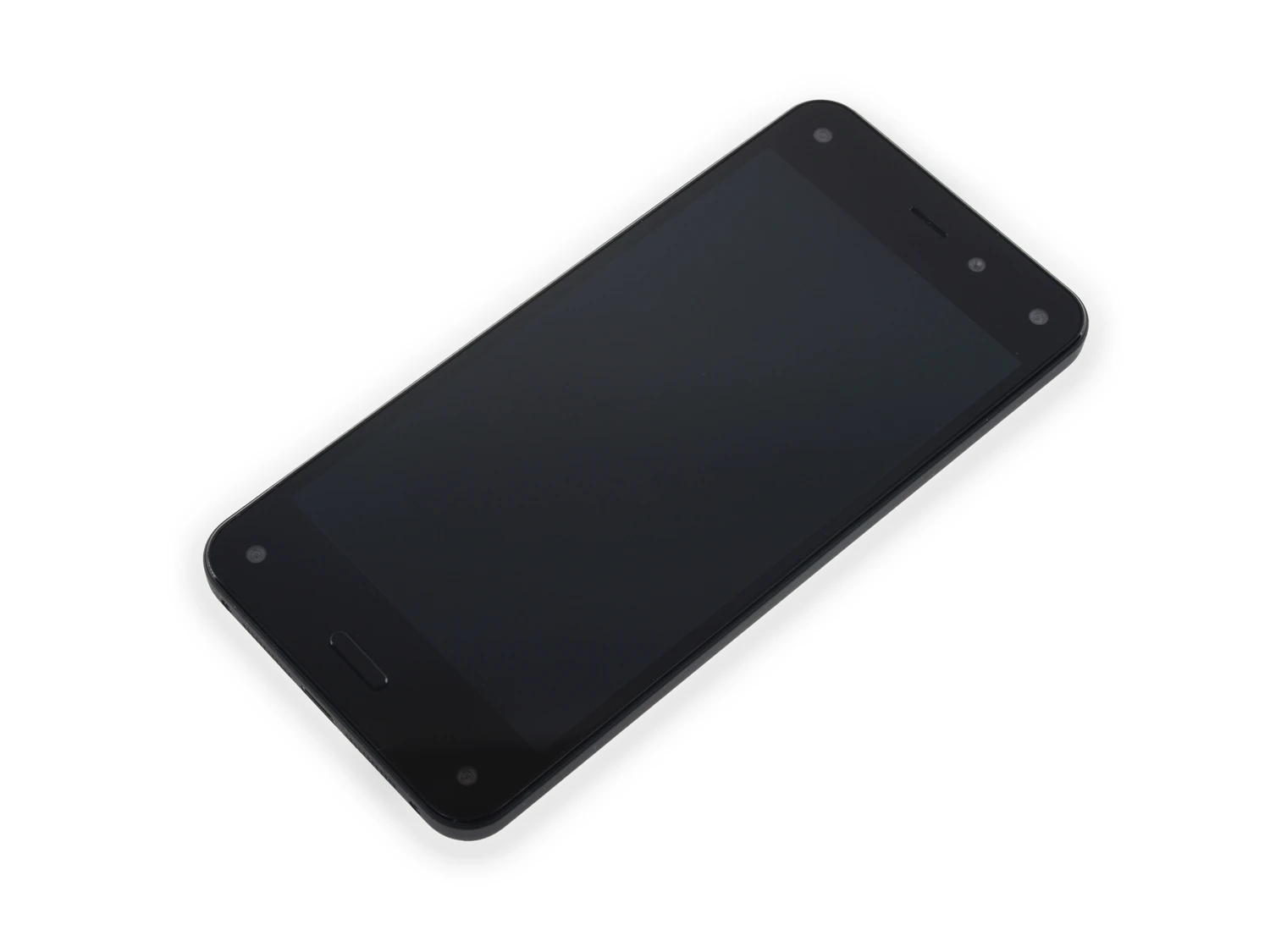
If the phone will not turn on: Use the original box, purchase record or any visible model label. The four front corner sensors are a useful clue, but do not dismantle the phone just to identify it.
Hardware model numbers, where verified, are labelled separately from Amazon’s software Build.MODEL identifiers. A software identifier is not a UK-specific approval number and can be reused across versions.
Swipe the table sideways on a narrow screen.
| Model reference | Reference scope | Useful detail |
|---|---|---|
| SD4930UR | Amazon Silk documentation model reference; not a separately verified regulatory approval number | Match this code to the number on your phone. |
Original finish
Recorded tablet finishes, including later additions where stated. Protective Kids cases and other accessories are separate colours; replacement housings can change appearance.
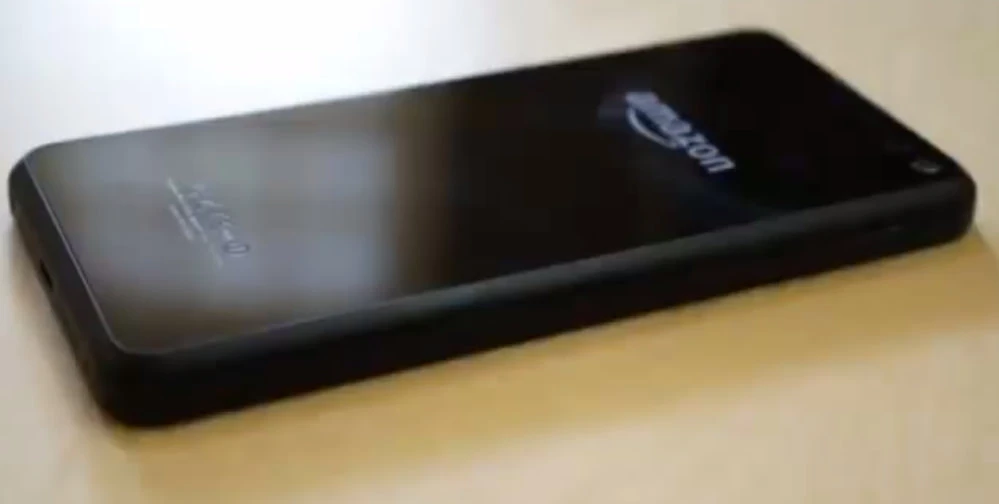
- Black
Approximate colour hint. Lighting, wear, a case or a replacement housing can alter the visible appearance.
Use the colour and the model reference together. Lighting, screen settings, cases and replacement backs can change how a device looks.
Getting to know the Fire Phone
Identifying this generation
The Fire Phone has a Snapdragon 800 processor, 2GB RAM and 32GB or 64GB storage without microSD expansion. A separate 2.1MP front camera handles selfies; the corner sensors are not four extra selfie cameras. The dedicated side button was designed for the camera and Firefly functions.
Storage and connections
Charging and the wired connection use micro-USB. The recorded storage options are 32GB or 64GB. There is no microSD slot, so a memory card cannot expand this model. 4G LTE; original carrier and sales-region restrictions must be checked.
Checks before a repair
Check the rear camera, front selfie camera and screen touch separately. Describe any issue with the corner sensors or side button as its own symptom. For a calling or mobile-data fault, include the original carrier and sales region, because service compatibility is separate from Wi-Fi operation.
Specifications and what they mean
Read each specification alongside its explanation. Manufacturer test figures describe controlled conditions; age, usage and battery condition affect everyday performance.
Swipe the table sideways on a narrow screen.
| Feature | Fire Phone | What it means |
|---|---|---|
| Introduced | 2014 | The model or generation introduction year; regional shipping dates can differ. |
| Screen | 4.7-inch IPS LCD | The diagonal and panel type describe the display; the exact model still determines replacement-part fit. |
| Resolution | 1280 × 720 pixels | The display pixel grid. Similar dimensions do not guarantee a compatible replacement screen. |
| Processor | Qualcomm Snapdragon 800 | The main chip specification helps distinguish generations; it does not establish spare-part compatibility. |
| Memory (RAM) | 2GB | Working memory is separate from the storage used for apps, photos and files. |
| Rear camera | 13MP with optical image stabilisation | The original rear-camera configuration. Check the actual camera module when a device has been repaired or upgraded. |
| Front camera | 2.1MP | The camera used for selfies or video calls; it is separate from the rear camera. |
| Storage | 32GB or 64GB | Factory storage options. Usable space is lower, and offered colour/capacity combinations can vary. |
| Memory card | No microSD slot | Removable storage is separate from internal storage. Card format and software affect how it can be used. |
| Wired connection | micro-USB | The physical connector. Charging performance also depends on the cable, power supply and device condition. |
| Mobile connection | 4G LTE; original carrier and sales-region restrictions must be checked | A cellular-capable version still depends on compatible local networks, radio bands and operator provisioning. |
| Bluetooth | 3.0 | The listed Bluetooth capability is independent of the Wi-Fi or cellular connection. |
| Software family | Fire OS | A recorded operating-system family, not a promise of current app compatibility or future updates. |
| Size and weight | 139.2 × 66.5 × 8.9 mm; 160 g (5.64 oz) | Dimensions are height × width × depth without a case. Cellular variants and covers can change weight. |
Software and service compatibility
Fire Phone is a legacy Fire OS smartphone introduced in 2014. Its original Firefly, Dynamic Perspective and bundled services describe launch-era features, not a guarantee of present-day service availability. Check any essential app, calling and network requirements on the actual handset before relying on it.
Common questions about the Fire Phone
How do I identify an Amazon Fire Phone?
Look for the Fire Phone name and SD4930UR model reference in device information or the original packaging. Its four front corner sensors and physical Home button help identify the design. Confirm storage and the original sales region as well; do not share the IMEI publicly.
What are the extra sensors on the front of Fire Phone?
The four corner sensors were part of Amazon’s Dynamic Perspective system, which tracked viewing position for the original interface. They are separate from the 2.1MP selfie camera. A fault affecting that feature should be distinguished from an ordinary camera or touchscreen problem.
How does Fire Phone (2014) charge?
It uses micro-USB. Use a compatible power supply and cable. Note whether charging fails completely or becomes intermittent; avoid forcing or levering the connector.
Will the original Fire Phone services still work?
Fire Phone is a legacy Fire OS smartphone introduced in 2014. Its original Firefly, Dynamic Perspective and bundled services describe launch-era features, not a guarantee of present-day service availability. Check any essential app, calling and network requirements on the actual handset before relying on it.
About this guide
Device details checked 21 November 2026. Regional features, software availability and colours can vary. Pictures are visual guides; colours and small details are approximate.