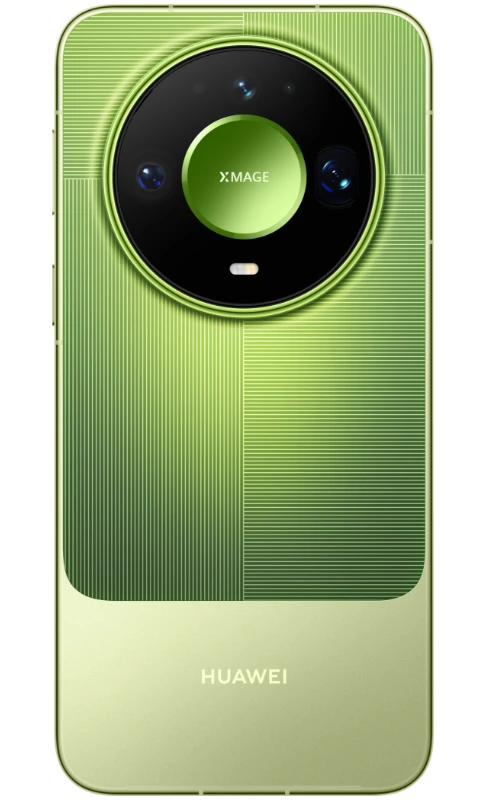
Mate 90 Pro Max model numbers
A model number identifies the model or hardware version and is shared by many devices. Serial numbers and mobile-network identifiers such as IMEI or MEID belong to an individual device.
Where to find your model number
- Open Settings on the phone.
- Choose About phone; older software may place this under System.
- Copy the full Model or Model number entry, including every letter and suffix. Record the software region and storage separately.
If the phone will not turn on: Check the original box and external device label. On a phone designed with a removable battery, switch it off before reading the label beneath it. Do not prise open a sealed handset just to identify it.
Recorded hardware identifiers and manufacturer-confirmed additions. Match the full code; inclusion does not establish UK or Ireland availability or interchangeable parts.
Swipe the table sideways on a narrow screen.
| Model number | Country or region | Useful detail |
|---|---|---|
| CMM-AL00 | Recorded regional hardware identifier; confirm the full device label | Match this code to the number on your phone. |
| CMM-AL10 | Recorded regional hardware identifier; confirm the full device label | Match this code to the number on your phone. |
Keep the model code, storage and sales region separate from the individual device’s serial number or IMEI. Several variants can share a sales name.
4 recorded colours
Recorded original finishes; availability varies by country, capacity and sales channel. Colours are identification clues, not a stock list.
- White
Approximate screen colour only. Lighting, wear, cases and replacement housings can change the appearance.
- Green
Approximate screen colour only. Lighting, wear, cases and replacement housings can change the appearance.
- Black
Approximate screen colour only. Lighting, wear, cases and replacement housings can change the appearance.
- Gold
Approximate screen colour only. Lighting, wear, cases and replacement housings can change the appearance.
Use the colour and the model number together. Lighting, screen settings, cases and replacement backs can change how a device looks.
Getting to know the Mate 90 Pro Max
Screen, cameras and controls
The recorded display is 6.9-inch Dual-layer LTPO OLED at 1320 x 2848 pixels. The rear camera specification is 50 MP, f/1.4-f/4.0, 24mm (wide), 1/1.28", PDAF, OIS; 200 MP, f/2.6, 89mm (periscope telephoto), 1/1.28", PDAF, OIS, 4x optical zoom; 40 MP, f/2.2, 13mm, 120° (ultrawide), PDAF. For a screen fault, distinguish a cracked surface, missing image and failed touch response; they are different observations.
Charging and connections
This model uses USB-C. Its recorded charging specification is 100W wired; 50W wireless; Reverse wireless; 18W reverse wired. Test wired and wireless charging separately with compatible equipment.
Checks before a repair
Record the full model reference, storage and original sales region before choosing a replacement part. Back up accessible data and describe which functions still work.
Specifications and what they mean
Read each specification alongside its explanation. Manufacturer test figures describe controlled conditions; age, usage and battery condition affect everyday performance.
Swipe the table sideways on a narrow screen.
| Feature | Mate 90 Pro Max | What it means |
|---|---|---|
| Introduced | 2026 | The recorded introduction year. Announcement and regional on-sale dates can differ. |
| Screen | 6.9-inch Dual-layer LTPO OLED | The diagonal measurement helps distinguish sizes; the model code is still needed to match a replacement display. |
| Resolution | 1320 x 2848 pixels | The number of pixels describes image detail, not screen-part compatibility. |
| Display refresh | 120Hz | Refresh rate affects how smoothly supported motion is displayed; actual settings and content can change the rate in use. |
| Size and weight | 164.5 x 78.7 x 8.2 mm; 234 g | Recorded body measurements without a case. Camera projections and regional materials can affect the fit of accessories. |
| Processor | Kirin 9050 or Kirin 9050 Pro | The main chip runs the phone. Similar sales names do not establish that internal parts are interchangeable. |
| Storage | 512GB, 1TB | Built-in capacity for apps, photos and files. Usable space is lower, and not every storage option was sold in every region. |
| Memory (RAM) | 12GB, 16GB | Working memory is separate from storage. The original storage and RAM combinations can differ between variants. |
| Memory card | No | Check the supported card format and whether it shares the second SIM slot. Huawei Nano Memory and microSD are different card formats. |
| Rear cameras | 50 MP, f/1.4-f/4.0, 24mm (wide), 1/1.28", PDAF, OIS; 200 MP, f/2.6, 89mm (periscope telephoto), 1/1.28", PDAF, OIS, 4x optical zoom; 40 MP, f/2.2, 13mm, 120° (ultrawide), PDAF | Each lens has a different job where several are present. Report the affected view, focus and image quality separately during a repair enquiry. |
| Front camera | 13 MP, f/2.0, 18mm (ultrawide), AF; TOF 3D, (depth/biometrics sensor) | Used for selfies or video calls where fitted. A motorised camera needs a separate check of its opening and closing action. |
| Battery | 6800 mAh | This is the recorded original battery specification. It is not a measurement of the remaining capacity in a used phone. |
| Charging | 100W wired; 50W wireless; Reverse wireless; 18W reverse wired | Published maximum power needs compatible charging equipment. The rate changes with temperature, battery level and use. |
| Wired connection | USB Type-C 3.1, OTG, DisplayPort 1.2 | Match the connector and compatible cable. Physical fit alone does not guarantee the fastest charging or data rate. |
| Mobile connection | 5G and 4G LTE | Radio bands, the operator and local network availability determine service. Check imported or older phones with the intended network. |
| SIM | Nano-SIM + Nano-SIM + eSIM + eSIM (max 3 at a time) | Use the correct SIM size and tray layout. A shared slot may require choosing between a second SIM and a memory card. |
| Headphone socket | No | This describes a separate 3.5mm audio socket; USB audio and adapters depend on the phone and accessory. |
| Recorded software | HarmonyOS 7.0 | Software can differ by market and subsequent update. This entry is not a current security-support guarantee. |
Software and service compatibility
The recorded software specification for this model is HarmonyOS 7.0. HarmonyOS editions and app availability vary by generation and market. Check the exact software version and required apps on the actual phone. Check the installed version and available updates on the device; purchase date alone does not establish a new support period.
Common questions about the Mate 90 Pro Max
How do I identify my Mate 90 Pro Max?
The recorded hardware identifiers are CMM-AL00, CMM-AL10. Copy the complete code from the device or original box; suffixes can distinguish hardware, region or production versions.
Which charging connection does the Mate 90 Pro Max use?
This model uses USB-C. Its recorded charging specification is 100W wired; 50W wireless; Reverse wireless; 18W reverse wired. Test wired and wireless charging separately with compatible equipment.
Can I add a memory card to the Mate 90 Pro Max?
The recorded card-slot specification is No. Match the card format and tray arrangement to the exact version.
What software does the Mate 90 Pro Max use?
The recorded software specification for this model is HarmonyOS 7.0. HarmonyOS editions and app availability vary by generation and market. Check the exact software version and required apps on the actual phone. Check the installed version and available updates on the device; purchase date alone does not establish a new support period.
About this guide
Device details checked 21 November 2026. Regional features, software availability and colours can vary. Pictures are visual guides; colours and small details are approximate.