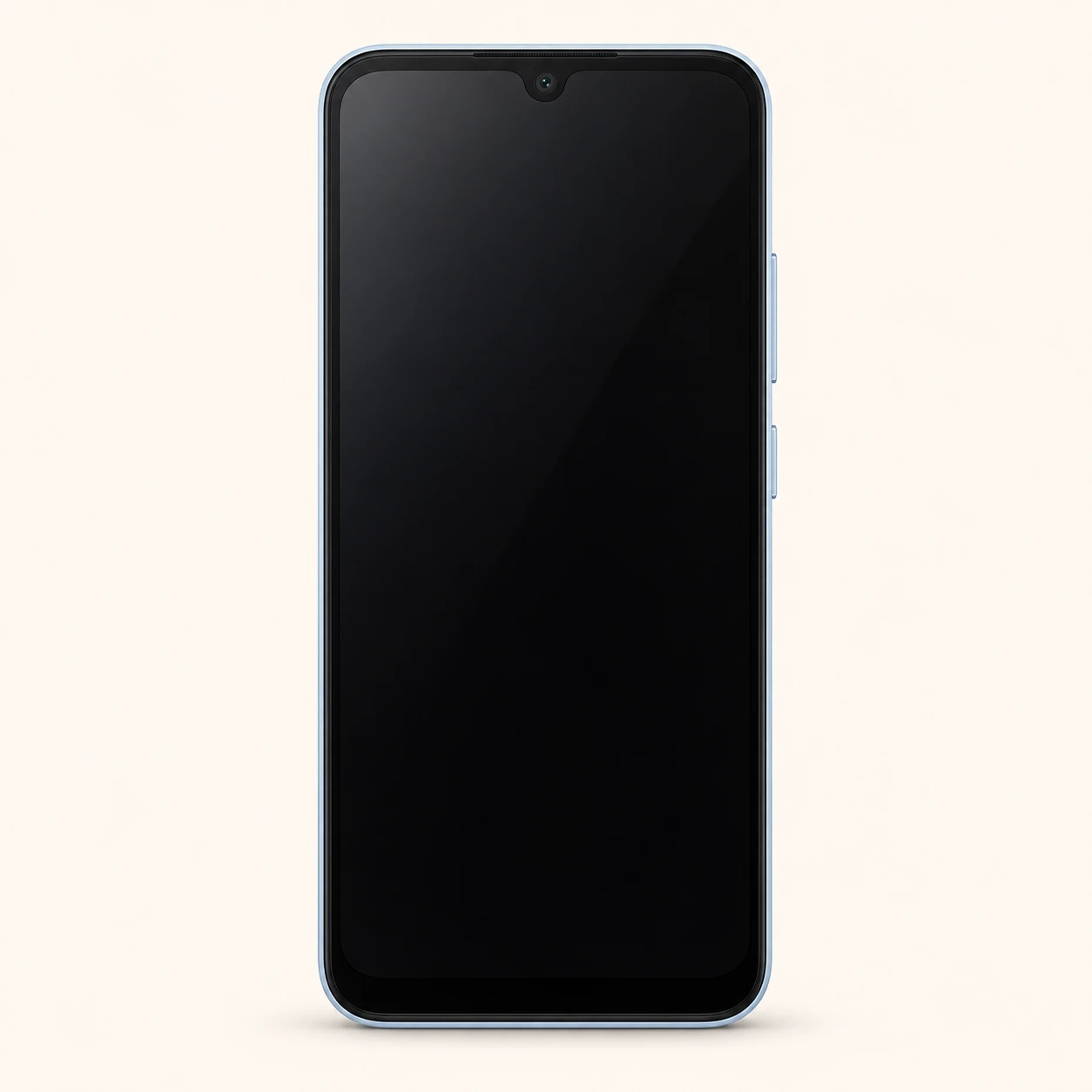
Redmi A7 model numbers
A model number identifies the model or hardware version and is shared by many devices. Serial numbers and mobile-network identifiers such as IMEI or MEID belong to an individual device.
Where to find your model number
- Open Settings on the phone.
- Choose About phone, then Detailed info and specs or All specs where available. Older MIUI and Android One versions use different menu wording.
- Copy the complete Model or Model number entry. If needed, open Certification in Settings to read the regulatory model; keep the IMEI, serial number, storage and software region separate.
If the phone will not turn on: Check the original box and external device label. If the handset was designed with a user-removable battery, switch it off before checking the label beneath it. Do not open a sealed body just to identify the phone.
Recorded model identifiers with explicitly documented manufacturer corrections. Match the full label; inclusion does not establish UK/Ireland availability or interchangeable parts.
Swipe the table sideways on a narrow screen.
| Model number | Country or region | Useful detail |
|---|---|---|
| 26020RNB4A | Recorded regional hardware identifier; confirm the full device label | Match this code to the number on your phone. |
The hardware model, retail SKU, IMEI and serial number serve different purposes. Retail SKUs may describe a finish or sales bundle; the IMEI and serial identify an individual unit. Match the complete hardware label before selecting parts.
3 recorded colours
Recorded original finishes; availability can vary by region, capacity and edition. The colours identify devices and are not a current stock list.
- Black
Approximate screen colour only; lighting, wear and replacement housings affect appearance.
- Sky Blue
Approximate screen colour only; lighting, wear and replacement housings affect appearance.
- Orchid Purple
Approximate screen colour only; lighting, wear and replacement housings affect appearance.
Use the colour and the model number together. Lighting, screen settings, cases and replacement backs can change how a device looks.
Getting to know the Redmi A7
Screen, cameras and physical design
The Redmi A7 has a 6.88-inch IPS LCD display with a resolution of 720 x 1640 pixels. Its display specification includes 120Hz; this concerns screen refresh, not the separate touch-sampling rate. The rear camera arrangement is recorded as 13 MP, f/2.2, (wide). When describing a screen fault, distinguish broken glass, a missing picture and a touch area that does not respond. These observations help identify what needs inspection.
Battery, charging and connections
The wired port is USB-C. The original battery specification is 5200 mAh. Charging is recorded as 15W wired; 7.5W reverse wired. A slow charge can involve the cable, adapter, port, temperature or battery, so record which accessories were used. The recorded mobile-network capability is 4G LTE; check the exact regional version with the intended operator.
Identification and checks before a repair
Record Redmi A7, the complete model label, the original sales region and the installed storage before asking for a repair. This guide records 26020RNB4A; compare your full label rather than shortening the code. Check the fingerprint reader as a separate function from the screen, power button and cameras. Back up accessible data and describe the functions that still work. A new battery or screen does not change the phone’s software-support status.
Specifications and what they mean
Read each specification alongside its explanation. Manufacturer test figures describe controlled conditions; age, usage and battery condition affect everyday performance.
Swipe the table sideways on a narrow screen.
| Feature | Redmi A7 | What it means |
|---|---|---|
| Introduced | 2026 | The introduction year identifies the generation. Announcement and regional on-sale dates can differ. |
| Screen | 6.88-inch IPS LCD | Screen size is measured diagonally. For a replacement, match the exact model and display assembly as well as the size. |
| Resolution | 720 x 1640 pixels | The pixel count describes picture detail. It does not establish that two displays use the same connector or assembly. |
| Display refresh | 120Hz | This is the panel refresh rate, separate from touch sampling and PWM dimming. Supported content and display settings affect the rate in use. |
| Size and weight | 171.8 x 79.8 x 8.3 mm; 193 g | Body dimensions and weight help identify the version. Camera projections, finishes and regional construction can affect accessory fit. |
| Processor | Unisoc T7250 (12 nm) | The processor runs the phone and its apps. A similar model name does not establish matching internal components. |
| Storage | 64GB | Built-in space for apps and files. Usable capacity is lower, and storage choices differ between markets. |
| Memory (RAM) | 3GB | Working memory is separate from file storage. Software memory expansion uses storage and is not additional physical RAM. |
| Storage and RAM versions | 64GB 3GB RAM | This preserves the recorded combinations; do not assume every storage size is offered with every RAM option. |
| Memory card | microSDXC (dedicated slot) | Check the supported card format and tray layout. A hybrid slot may require choosing between a second SIM and a microSD card. |
| Rear camera | 13 MP, f/2.2, (wide) | Separate lenses serve different views where fitted. Describe the affected lens, focus behaviour and image quality when arranging a repair. |
| Front camera | 8 MP, f/2.0, (wide) | The front camera handles selfies and video calls where present. Sliding and motorised designs need their movement checked as well as picture quality. |
| Battery | 5200 mAh | Original design capacity is not a measurement of the capacity remaining in a used battery. Regional versions may use different packs. |
| Charging | 15W wired; 7.5W reverse wired | Maximum advertised power needs a compatible charger, cable and charging protocol. Temperature and battery level affect actual charging speed. |
| Wired connection | USB Type-C 2.0, OTG | Match the port and cable. A USB-C connector by itself does not establish the available data speed, video output or charging protocol. |
| Mobile connection | 4G LTE | Service depends on regional radio bands, the operator and network availability. A generation label alone does not guarantee imported-phone compatibility. |
| SIM | Nano-SIM + Nano-SIM;Dust and splash resistant | Match the SIM size and tray layout. eSIM support, where stated, also depends on the regional phone version and carrier. |
| Wi-Fi | Wi-Fi 802.11 a/b/g/n/ac, dual-band | Wireless standards describe compatible networks. Router settings, country restrictions and software affect available features. |
| Bluetooth | 5.2, A2DP, LE | Bluetooth connects compatible accessories; supported codecs and profiles matter as well as the version number. |
| NFC | No | NFC hardware and payment services can vary by region. Check the actual phone and supported service before relying on contactless features. |
| Headphone socket | Yes | This refers to a separate 3.5mm socket. USB audio support and adapter requirements depend on the phone and accessory. |
| Sensors and controls | Fingerprint (side-mounted), accelerometer, compass;Virtual proximity sensing | The fingerprint location and other controls help identify the version. Test the affected function separately when reporting a fault. |
| Recorded software | Android 15, up to 2 major OS updates | This describes the recorded software generation or update history. It does not establish the latest update available today. |
Software and service compatibility
The recorded software is Android 15, up to 2 major OS updates. Software versions and services vary with the original sales region and later updates. Check the installed version, security-patch date and built-in update screen on the actual phone. The historical version listed here is not a promise of current security support. Check Xiaomi’s current support listing for the exact model; buying old stock does not restart the support period.
Common questions about the Redmi A7
How do I identify my Redmi A7?
The recorded identifiers are 26020RNB4A. Read the complete Model entry or printed label, keeping every letter and suffix. A matching sales name or colour alone does not establish a match for a replacement part.
Which charger and cable does the Redmi A7 use?
The wired port is USB-C. The original battery specification is 5200 mAh. Charging is recorded as 15W wired; 7.5W reverse wired. A slow charge can involve the cable, adapter, port, temperature or battery, so record which accessories were used. The recorded mobile-network capability is 4G LTE; check the exact regional version with the intended operator.
Can I add a memory card to the Redmi A7?
The recorded card support is microSDXC (dedicated slot). Match the format to the exact phone; if the slot is shared, fitting a card can prevent use of a second SIM.
What software does the Redmi A7 use?
The recorded software is Android 15, up to 2 major OS updates. Software versions and services vary with the original sales region and later updates. Check the installed version, security-patch date and built-in update screen on the actual phone. The historical version listed here is not a promise of current security support. Check Xiaomi’s current support listing for the exact model; buying old stock does not restart the support period.
What should I check before a Redmi A7 repair?
Record Redmi A7, the complete model label, the original sales region and the installed storage before asking for a repair. This guide records 26020RNB4A; compare your full label rather than shortening the code. Check the fingerprint reader as a separate function from the screen, power button and cameras. Back up accessible data and describe the functions that still work. A new battery or screen does not change the phone’s software-support status.
About this guide
Device details checked 21 November 2026. Regional features, software availability and colours can vary. Pictures are visual guides; colours and small details are approximate.